Skip to content

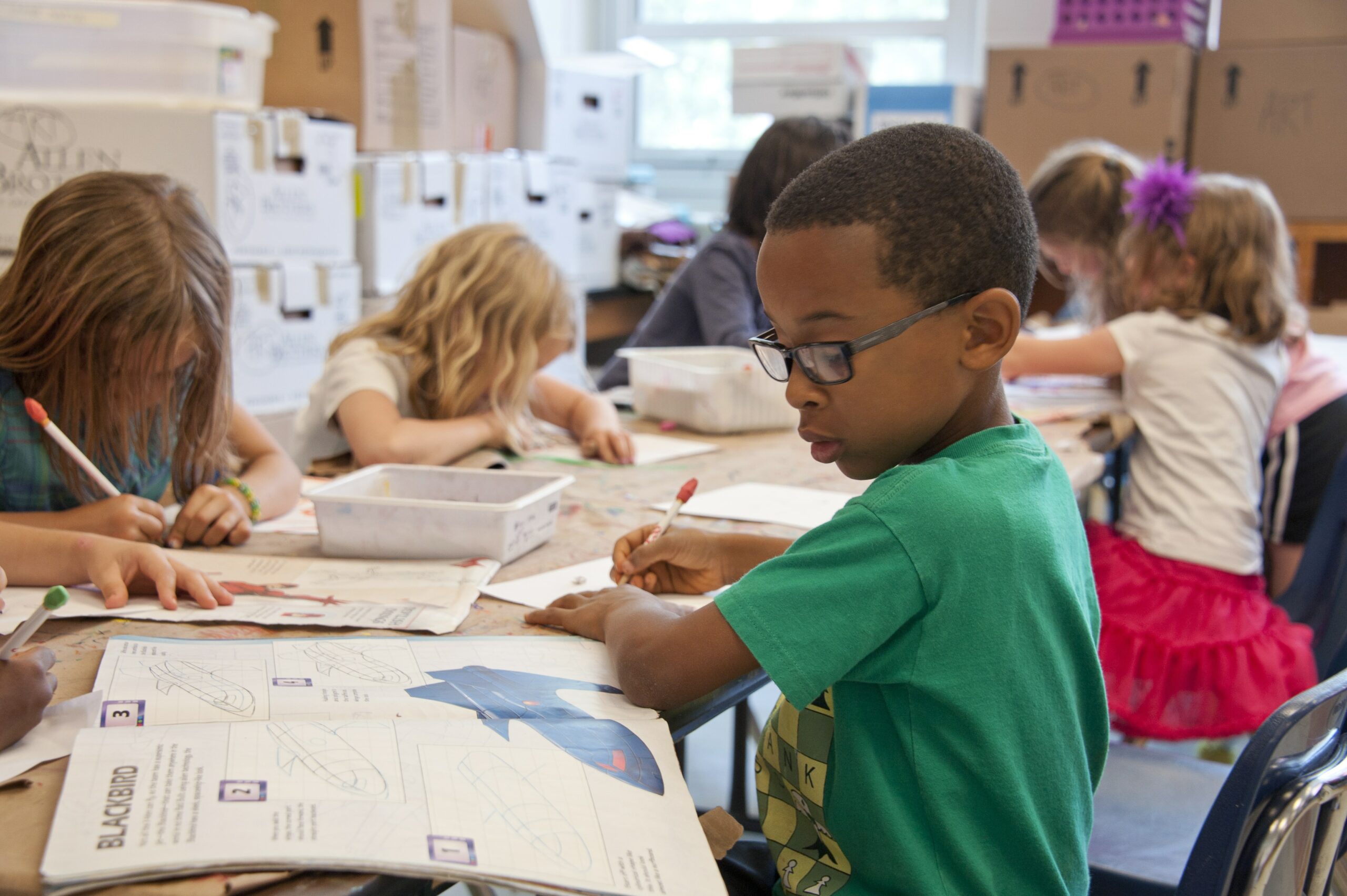
As the school year comes to a close, classrooms often become filled with a mix of emotions. Students may feel excited for summer, anxious about transitions, overwhelmed by testing and final projects, or emotionally exhausted from the fast pace of the school year. Teachers and parents frequently notice increased stress, emotional outbursts, lack of focus, and fatigue during these final weeks. While the end of the year can feel chaotic, it also offers a powerful opportunity to slow down, reflect, and help students reconnect with themselves and one another through mindfulness practices.
The final months of school are an ideal time to integrate mindful practices into the classroom or home environment because students can have the opportunity to reflect on their experiences, relationships, growth, and challenges from the year. Rather than simply racing toward summer break, educators and parents can create intentional moments that help children process emotions, celebrate progress, and strengthen emotional well-being. Mindfulness is the ability to be present in the moment with awareness, calmness, and without judgment. For children and teens, mindfulness can improve emotional regulation, reduce stress, increase focus, and build resilience.
The Imagine Project
A beautiful and simple way to practice mindfulness in the classroom or at home is by using The Imagine Project. The end of the year stories that come from The Imagine Project process are powerful and informative—and extremely helpful in giving kids an opportunity to express their positive or negative experiences and emotions.
Imagine…feeling pressure to excel from your parents, even though you are the best in your class.
Imagine…sitting alone all year at lunch and not having any friends.
Imagine…loving your teacher and wondering if next year’s teacher will be as nice.
The Imagine Project is a great exercise to do with your kids as well. As parents, you can write your imagines about what this past year has been like for you too. Showing your child that it’s important to talk about feelings and experiences on a deep level.
Some prompts you might ask kids before writing are:
- What emotions have you experienced most this year?
- What challenge helped you grow?
- What was the hardest part of the year?
- What is something you are proud of overcoming?
- Who made you feel supported this year?
Deep breathing for mindfulness before writing
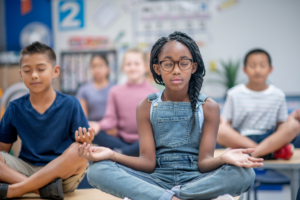
Teachers and parents might take even two to three minutes to pause and breathe deeply to help calm the nervous system and prepare the brain for reflection and creativity. Teachers and parents might invite students to close their eyes, place a hand on their heart, and slowly inhale and exhale while thinking about one thing they are grateful for from the school year. This small practice creates emotional safety and allows students to become more grounded before writing.
These reflective moments help students become more aware of their emotional experiences instead of avoiding or suppressing them. Many students are carrying stress, grief, friendship struggles, family challenges, or self-doubt that may never fully surface during traditional academic instruction. Mindfulness creates space for students to acknowledge these emotions safely, while The Imagine Project gives them a healthy outlet to express them through storytelling and reflection.
The end of the school year is also a meaningful time to practice mindful gratitude. Research consistently shows that gratitude can improve emotional health, reduce stress, and increase optimism. Through Imagine activities, students can reflect on positive memories, supportive relationships, moments of courage, and personal growth. A teacher might ask students to write an Imagine story about a time they felt strong, supported, or hopeful during the year. Others may choose to write letters of gratitude to classmates, teachers, coaches, or family members who helped them along the way.
Mindfulness also teaches students that emotions are temporary and manageable. This lesson is especially important for students who feel anxious about transitioning to a new grade, school, or life change. By practicing mindfulness regularly, students learn to pause rather than react impulsively. They begin to recognize that difficult emotions can be acknowledged and processed instead of feared. Imagine storytelling reinforces this understanding by allowing students to reframe difficult experiences and recognize their resilience.
Teachers practicing Mindfulness
Teachers can also benefit from these practices during the demanding final stretch of the school year. Educators often experience burnout, emotional exhaustion, and stress as they balance testing, grading, classroom management, and end-of-year responsibilities. Participating in mindfulness and Imagine writing alongside students can help teachers reconnect with their purpose and reflect on the meaningful relationships they built throughout the year. When adults model vulnerability, reflection, and emotional awareness, students learn that emotional wellness is valuable at every age.
Families practicing Mindfulness
Families can continue mindfulness practices at home as well. Parents can create simple opportunities for reflection during dinner, bedtime, or family walks by asking thoughtful questions about the school year. Children may open up more deeply when they feel listened to without judgment or pressure. Practicing mindfulness and using The Imagine Project together as a family can strengthen communication, emotional connection, and empathy.
Ultimately, the end of the school year should not only be about academic completion; it should also be about emotional reflection, growth, and healing. Students need opportunities to process not only what they learned academically, but also who they became throughout the year. Through mindfulness and The Imagine Project, children and teens can learn to slow down, reflect on their experiences, recognize their resilience, and enter summer feeling more emotionally connected and supported.
In a world that often moves too fast, mindfulness reminds students that their thoughts, feelings, and stories matter. The Imagine Project provides a compassionate framework where those stories can be shared, honored, and transformed into healing and hope. Download your free journals now.
Happy Imagining!