Skip to content
 The transition from elementary school to middle school can be one of the greatest identity crises an eleven-year-old will ever face. They move from being the “big kids” on the playground to navigating lockers, new schedules, and a social world that will change overnight.
As parents and teachers, we see the “jitters” firsthand. But research shows us that for many kids, it’s more than just butterflies—it’s a pivotal moment for their mental well-being.
Why This Transition Matters
- The Anxiety Spike: Nearly 20% of students experience a significant increase in anxiety during this transition.
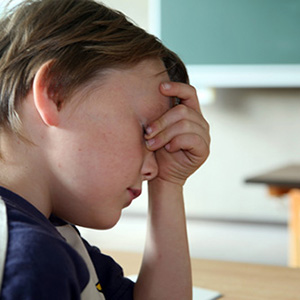
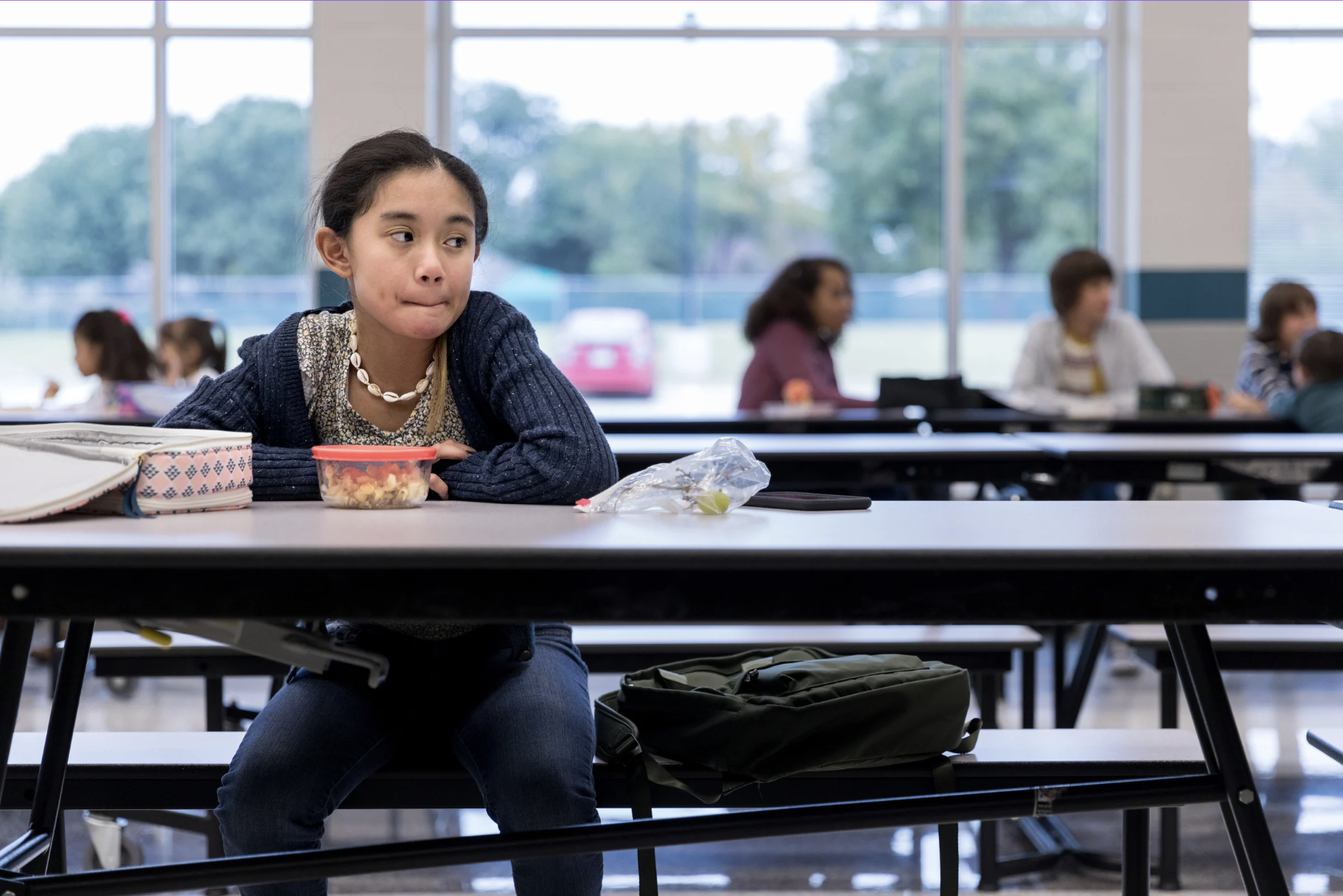
- The Invisible Struggle: Many kids don’t have the words to say, “I’m scared I won’t have anyone to sit with at lunch,” so that stress often shows up as irritability, stomachaches, or school avoidance.
- The Engagement Gap: When kids feel emotionally overwhelmed, their academic focus can drop by about 14% in that first semester.
The good news? We can give them a tool to turn that anxiety into agency. It’s called The Imagine Project.
What is “The Imagine Project”?
It is a simple, free, and powerful expressive writing tool. The “magic” lies in one word: Imagine. By starting sentences with “Imagine…”, kids get just enough psychological distance from their fears to talk about them honestly. It gives them a safe way to say the hard things and, more importantly, a structured way to start dreaming about the good things.
The 7-Step Journey
The Imagine Project isn’t just a writing prompt; it’s a path to resilience. Students move through a process of naming their stress, “letting it go,” and eventually writing a new story for themselves—one where they are the hero of their own middle school adventure. The difference maker is that The Imagine Project invites students to write their story in the “third person” allowing them to distance themselves from their story to take witness and build empathy with whom it’s shared.
The May to September Bridge
Our goal is to create a “safety net” of support that follows our kids from their last days of elementary school right into those first few weeks of 6th grade.
May: Honor and Prepare
In the final month of 5th grade, we help kids find closure and prepare for the road ahead through The Imagine Project..
- The Focus: Honoring the elementary journey and identifying specific anxieties about the future.
- The Activity: Students write their “Imagine” stories to “package” their elementary memories and safely name what they are nervous about leaving behind.
- The Outcome: Kids leave 5th grade feeling “heard” and emotionally lighter as they head into summer.
September: Articulate and Validate
In the first weeks of 6th grade, we use The Imagine Project to bridge the gap between new classmates and teachers.
- The Focus: Normalizing the “messy middle”—validating that it is okay to be nervous, excited, or both at once.
- The Activity: Students revisit The Imagine Project in their new classrooms, sharing their stories to realize that their peers are facing the exact same hurdles—inherently building trust that their new teacher(s) care about them.
- The Outcome: Immediate peer empathy and reduced isolation, which are the strongest deterrents to bullying and school refusal.
Ready to help your students or child take the leap?
We want every 5th and 6th grader to feel brave, seen, and supported during this big move. You don’t have to do it alone—we have the tools ready for you.
Download the Tools: Get your free Imagine Project Kids Journal and Lesson Plan to get started at home or in the classroom.
Share Your Story: Once you’ve used the tool, we’d love to hear from you! Let us know what the experience was like for your kids or your classroom.
Need a Hand? If you’d like support preparing the lesson or have questions about how to facilitate the sharing process, we are here for you.
Contact us at hello@theimagineproject.org.
Let’s help our 5th graders stop worrying about the “what if’s” and start imagining the “could be’s.”
References
- Mental Health of Children and Adolescents in the United States, CDC, 2023, Centers for Disease Control and Prevention.
- Individual differences in anxiety trajectories from grades 2 to 8: Impact of the middle school transition, Cambridge University Press / Development and Psychopathology, 1999, Ohannessian, C. M., et al.
- Schools as Developmental Contexts During Adolescence, PMC / Journal of Research on Adolescence, 2011, Jacquelynne S. Eccles and Robert W. Roeser.
- Speaking of Psychology: Expressive writing, American Psychological Association, 2016, APA / James W. Pennebaker.